FAQs
We understand that residents may have questions about this project — what’s happening, why it’s needed, and how it may affect you. Below you’ll find answers to some of the most frequently asked questions to help keep our community informed and involved.
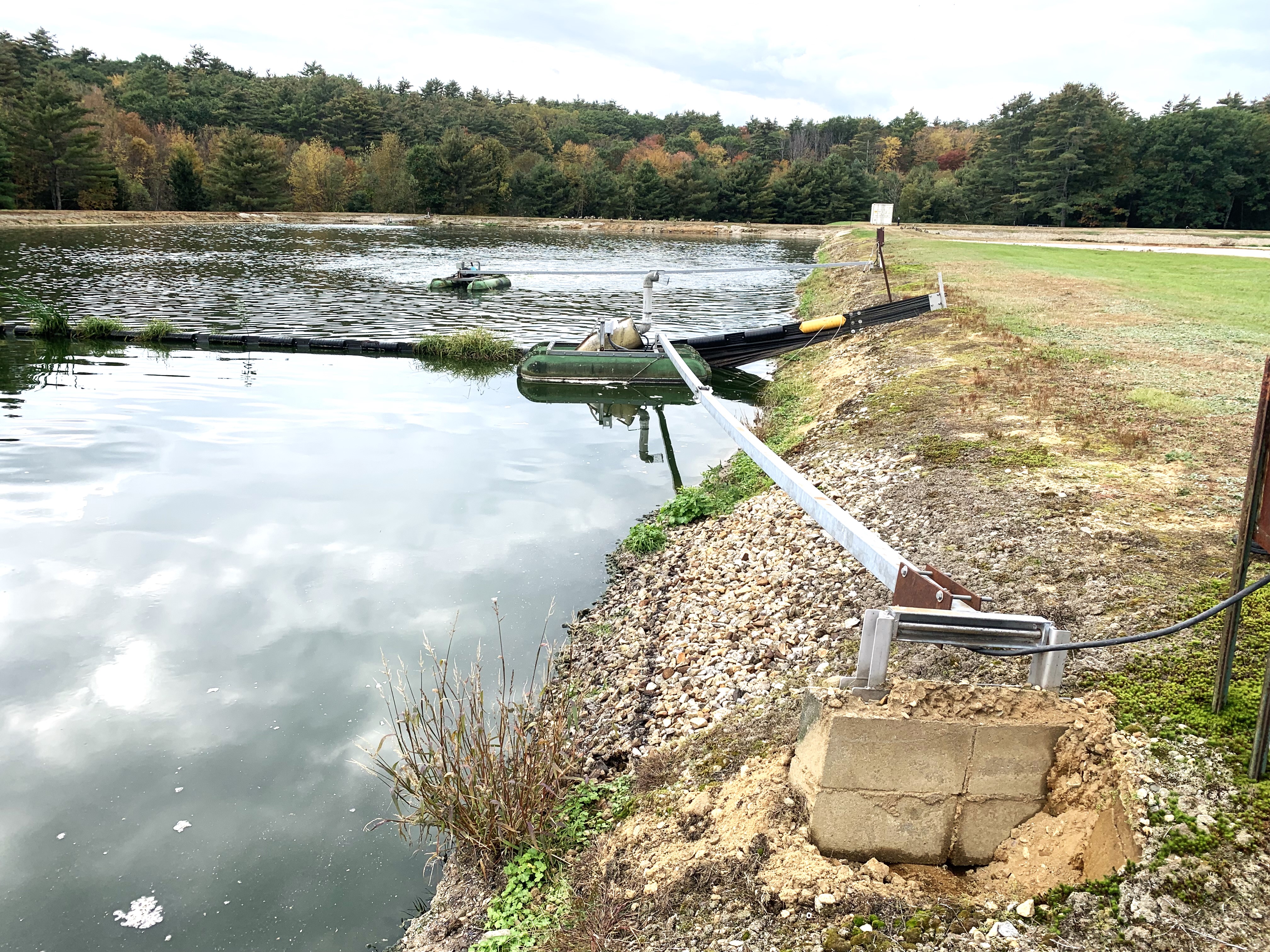
A wastewater lagoon is a large earthen basin where wastewater is treated gradually over time. Lagoons use oxygen, sunlight, and beneficial microorganisms to break down human waste, settle out the heavy solids, and treat simple pollutants before the water is safely discharged.
Wastewater flows into the lagoon, where air is added to support helpful bacteria that digest organic material. As the water moves through the system, solids settle and treatment occurs before the clean water is disinfected and released in accordance with environmental permits.
Sludge naturally builds up over time in lagoon systems. If it is not removed periodically, it can reduce treatment capacity and lead to solids pass-through (permit violations) which can lead to fines.
In 2023, Pittsfield received a new federal discharge permit that established lower phosphorus and metals limits that cannot be met with the sludge in the lagoons.
Delaying sludge removal increases the risk of permit violations and potential fines or emergency interventions in the future. The sludge disposal options in New Hampshire and throughout New England are diminishing as PFAS compounds are being identified in most WWTF sludge (including Pittsfield’s).
Yes, but gradually over several years. The Town does not expect to begin paying down the bond until the project is completed. The first payment is not expected until the end of 2027. The phased increases help spread costs over time.
Removing excess sludge improves treatment performance, reduces pollutants in discharged water, supports aquatic life, and protects other communities’ downstream drinking water supplies.
The Pittsfield Wastewater Treatment Facility has reported multiple violations in the past two years but has not yet been subject to fines. The current effort is focused on eliminating the permit violations for solids in the effluent and restoring treatment capacity to the lagoons while other treatment methods are explored.
Federal wastewater discharge permits are becoming more stringent over time. If accumulated sludge is not removed, it will further reduce treatment capacity and increase the risk of future non-compliance. The proposed project is intended to mitigate that risk.
If permit limits are continually exceeded without a plan of action, a facility may be subject to fines and required to take emergency corrective action, which can be costly and time sensitive. Acting now helps avoid emergency repairs, regulatory action, and higher costs for ratepayers.
 Pittsfield Wastewater Treatment Facility
You must be logged in to post a comment.