WHY THIS MATTERS NOW
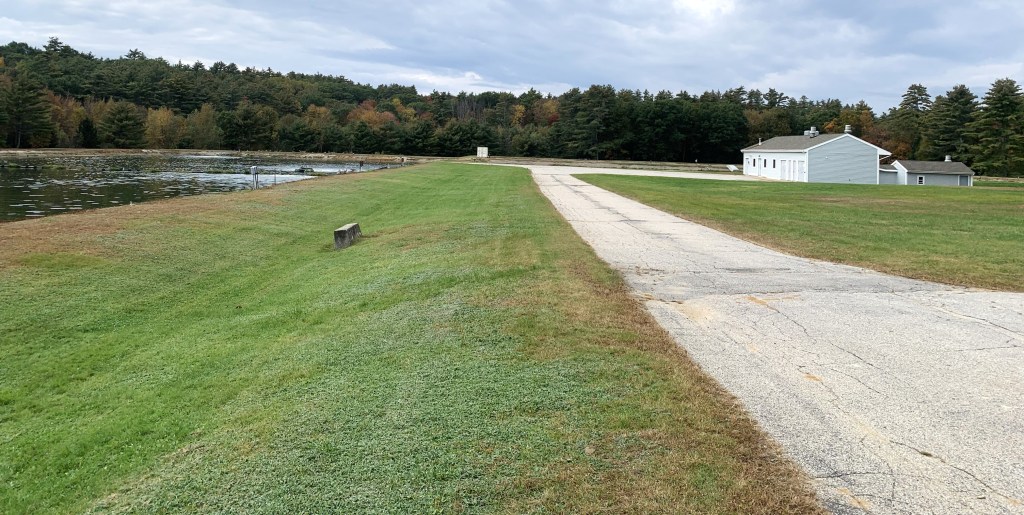
Built in 1979-1980, the facility has the capacity to treat 0.4 million gallons of wastewater per day while serving approximately 550 connections consisting of more than 930 homes, businesses and municipal facilities in Pittsfield serving approximately 1,500 people in the community. Like many communities across New Hampshire, Pittsfield is planning phased improvements to keep this system operating safely, efficiently, and in compliance with the most recent environmental standards.

New Federal Discharge Permit
A new federal discharge permit issued in 2023 requires improvements to how the wastewater is treated.


25+ Years Since Last Removal
More than 25 years has passed since sludge was last removed from the lagoons.

Protecting the Environment
Sludge removal is the first phase of three to get the facility back in compliance to protect the Suncook River and downstream drinking water supplies
WHAT TO EXPECT
In March 2026, voters will be asked to consider a bond to fund Phase 1 the lagoon cleaning project that will help ensure the facility continues to serve Pittsfield reliably for the immediate future.
Ever wonder where wastewater goes?
This short video walks you through how wastewater is treated at the Pittsfield Wastewater Treatment Facility (WWTF)—from arrival as raw sewage to treated and disinfected clean water being safely returned to the Suncook River.
Frequently Asked Questions
What is a wastewater lagoon?
A wastewater lagoon is a large earthen basin where wastewater is treated gradually over time. Lagoons use oxygen, sunlight, and beneficial microorganisms to break down human waste, settle out the heavy solids, and treat simple pollutants before the water is safely discharged.
Why does the wastewater lagoon need to be cleaned?
Sludge naturally builds up over time in lagoon systems. If it is not removed periodically, it can reduce treatment capacity and lead to solids pass-through (permit violations) which can lead to fines.
What happens if the project is delayed?
Delaying sludge removal increases the risk of permit violations and potential fines or emergency interventions in the future. The sludge disposal options in New Hampshire and throughout New England are diminishing as PFAS compounds are being identified in most WWTF sludge (including Pittsfield’s).
What happens if a facility does not meet permit requirements?
If permit limits are continually exceeded without a plan of action, a facility may be subject to fines and required to take emergency corrective action, which can be costly and time sensitive. Acting now helps avoid emergency repairs, regulatory action, and higher costs for ratepayers.
 Pittsfield Wastewater Treatment Facility